


Articles
10 Accent Wall Ideas to Bring Your Decor to Life
Every space benefits from a focal point, an element that naturally draws the eye and sets the tone for the room. An accent wall is a simple and effective way to achieve this effect.
In this article, we present 10 accent wall ideas for a true "wow" factor.
Key takeaways
- An accent wall should enhance an existing focal point, rather than compete with it.
- Paint, wall art, and prints are simple, flexible ways to create an accent wall.
- Wood, tile, and stone produce a long-term architectural effect but require more planning.
- Dining room accent wall
The best wall is often the one you see upon entering or the one that serves as a backdrop for the table, chairs, and perhaps a central light fixture.
In this case, it is wise to design an accent wall using materials and colors that blend with the space to achieve a more subtle look that highlights these key elements.
2. Bedroom accent wall
The surface behind the headboard is a natural candidate for an accent wall.
Opt for soothing patterns and soft or enveloping colors to create a space conducive to rest and relaxation. Pairing textured materials (like wood or stone) with the dim lighting of bedside lamps or wall sconces can create very interesting shadows.
3. Living room accent wall
The living room usually revolves around a strong element such as a fireplace, a television, or a large modular sofa. This same element helps determine which wall to highlight.
The living room is often where you can afford the boldest choices, especially in a large space with substantial furniture. An accent wall also helps divide the space in an open-concept layout by creating zones dedicated to different activities.
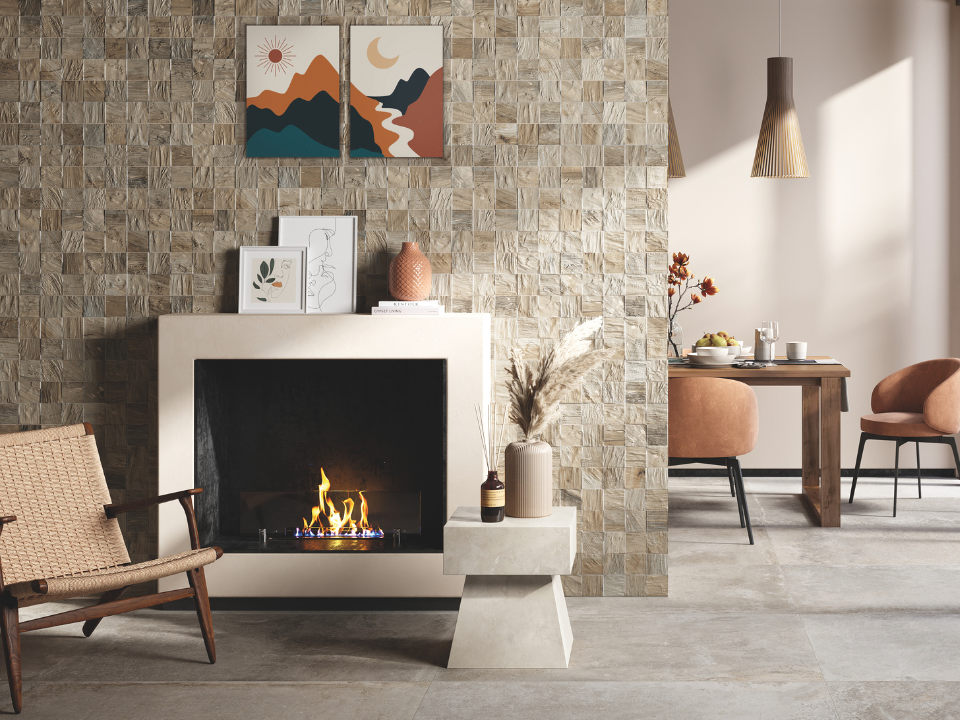
4. Wood accent wall
Reclaimed wood, wainscoting, or decorative panels: there are countless products and styles to create a wooden accent wall.
Wood naturally brings warmth, texture, and depth to a space—especially in minimalist or Scandinavian-inspired decors. Light finishes create a breezy look, while dark wood offers significant visual appeal.
Important: Wood can contract or expand depending on humidity levels. It is recommended to follow the manufacturer's instructions and let the materials acclimate to the room before installation, usually for three to seven days.
5. Wallpaper accent wall
If you are hesitant to make permanent changes — for example, in a child's bedroom — removable or peel-and-stick wallpaper offers great flexibility.
It is quite simple to install and instantly produces a striking effect through its pattern, texture, and colors.
Thorough cleaning and surface preparation are essential; bumps, seams, and other imperfections are more likely to show through thin wallpaper.
6. Paint and wall art accent wall
As a starting point, choose a painting, a frame, or a piece of wall art that you love and want to showcase. Then, select a paint color pulled directly from that central piece.
This approach works just as well with a series of related works or a gallery wall composed of several frames.
The result is intentional and adds beautiful depth to the space. If you change your mind, simply choose a new piece of art and repaint.
7. Stone of brick accent wall
These noble materials add texture, character, and strong long-term architectural appeal. Their durability makes them a smart choice for high-traffic areas like the entryway and living room.
Decorative stone and brick require more investment and prep work than other wall coverings, particularly due to their weight. Therefore, it’s best to choose timeless options—like limestone, slate, or traditional brick—that will look just as spectacular 10 or 20 years from now.
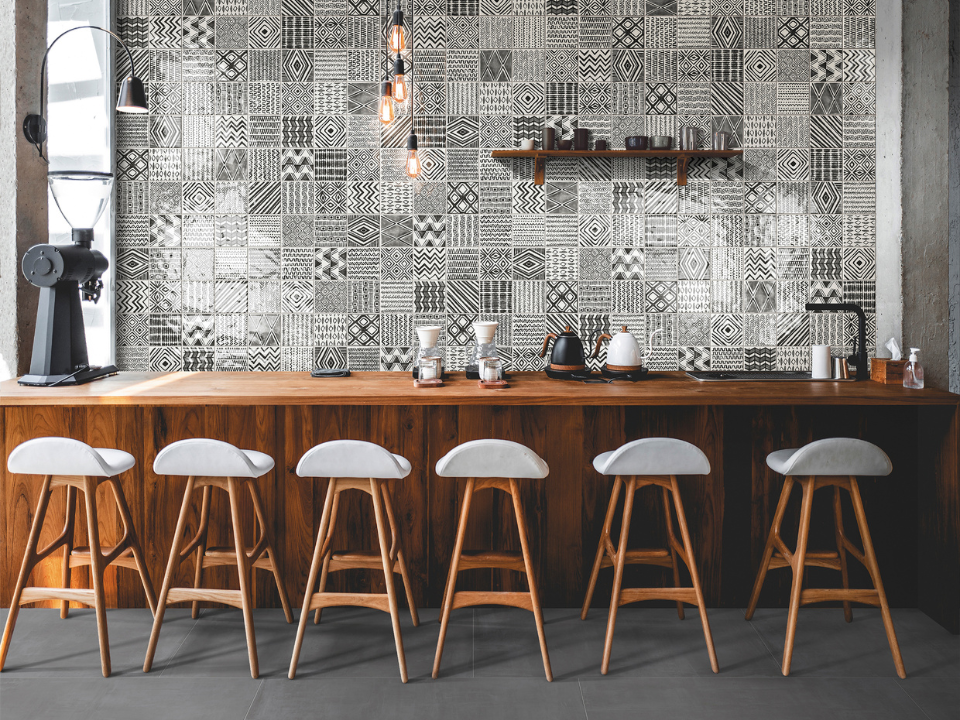
8. Tile accent wall
Why limit tile to kitchen backsplashes and bathrooms? Wall tiles offer countless patterns, colors, and finishes suitable for creating stunning accent walls.
The choice of grout also expands design possibilities: a matching tone to keep it discreet, or a contrasting color to make it pop.
This wall covering involves more labor than simple paint or wallpaper. It is worth taking your time and consulting our interior design team to make the right choices.
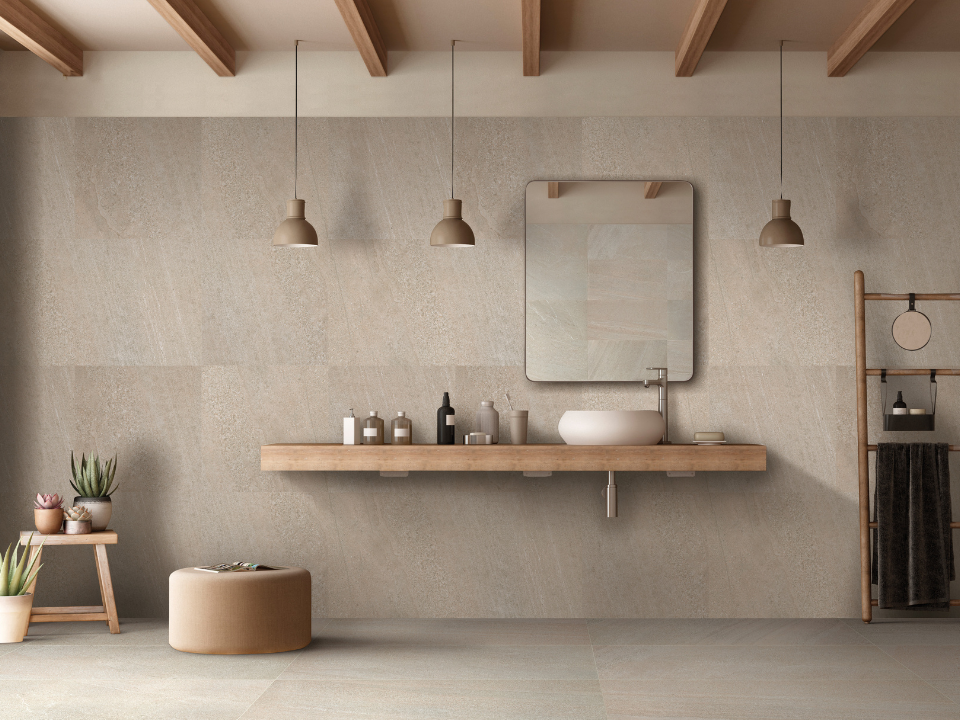
9. Textile accent wall
Drapery, upholstered panels, tufted surfaces, and even certain rugs hung vertically can wrap walls in softness, both visually and to the touch.
Unlike hard surfaces that reflect sound waves, fabric coverings absorb some of them. The acoustic properties of a well-designed textile wall can enrich movie nights or music sessions in the living room, or provide extra privacy in the bedroom.
10.Printed accent wall
Whether it’s a commercial product or a custom creation, it is possible to print almost anything on large-format panels or self-adhesive vinyl. Natural landscapes, botanicals, abstract patterns, illustrations, and watercolor designs are particularly popular.
However, it is best to keep the rest of the decor uncluttered to avoid overwhelming the eye.
Express yourself with an accent wall
Adding an accent wall is an effective way to use color, textures, and materials to bring out what makes a room truly unique. Visit your Déco Surfaces dealer or contact our interior design specialists to discuss your project and get advice tailored to your space.
You might also like
- Kitchen Backsplash Ideas: Reinvent Your Space with Style!
- 10 Budget-Friendly Ideas to Spruce Up Your Home Decor
- 6 Flowered Wallpaper Murals for a Romantic Decor
